Corporate

UNITED NATIONS
UNOCHA MALI - BURKINA FASO - NIGER
In recent years, the Sahel has been beset by a relentless series of challenges: a tangled web of overlapping crises driven by persistent political and social instability, a worsening security landscape, and the unyielding advance of climate change. Each year, millions are affected by intensifying floods and droughts, shrinking agricultural lands, and vanishing grazing areas for livestock. Hunger and malnutrition are on the rise, health risks are multiplying, and entrenched poverty is worsening.

GIZ
GIZ - MAURITANIA
GIZ’s activities and projects in Mauritania, with the dual aim of showcasing the organisation’s impact and capturing the country’s social and environmental context. The highlighted activities concern professional training, education, natural resource management, humanitarian response, digitalisation, human rights, local development and green energy, with special focus on women, youth, rural communities, and refugees.
EUROPEAN UNION
DEU - MAURITANIA
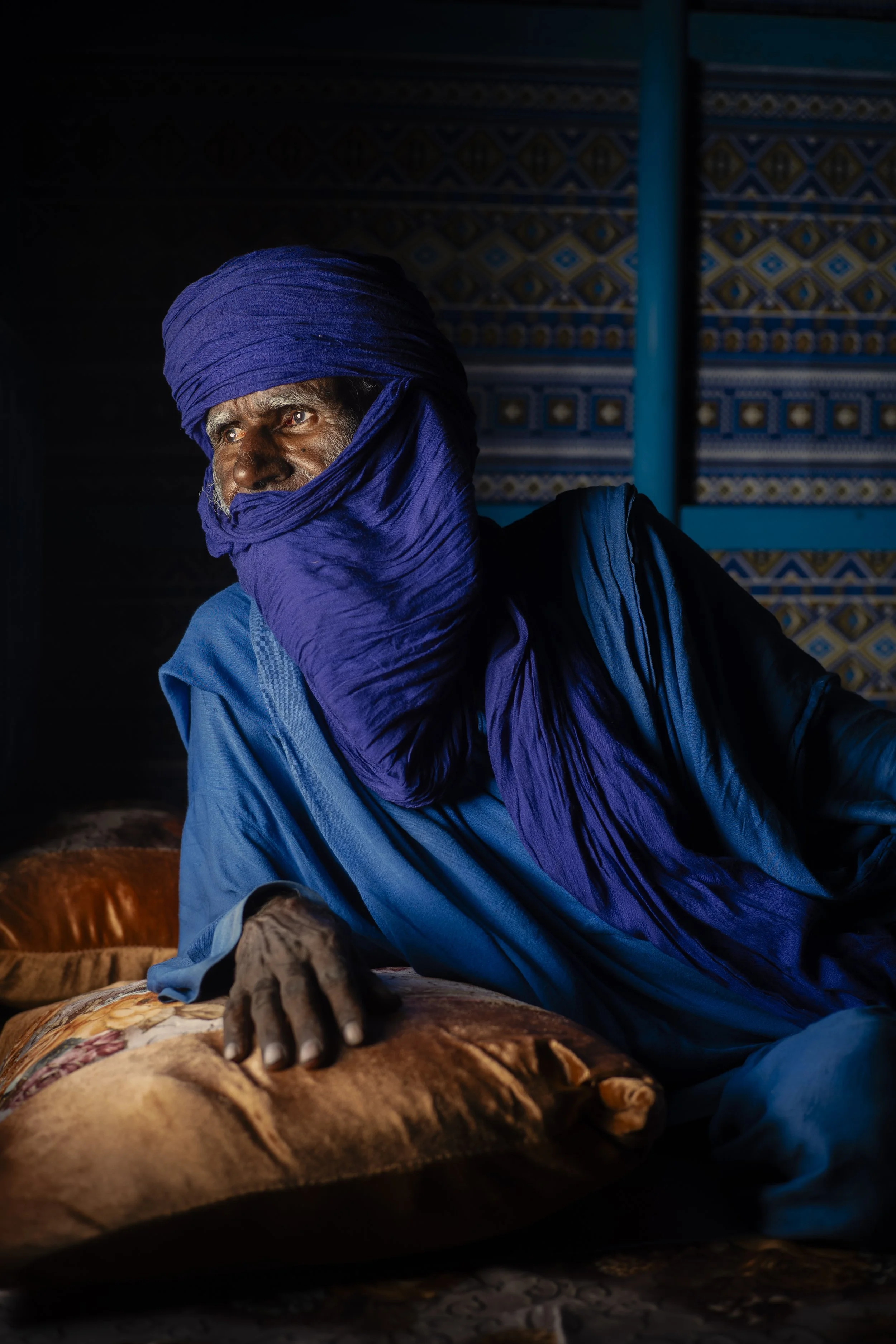
The European Union’s cooperation in Mauritania supports humanitarian action, as well as the protection and socio-economic inclusion of populations recently displaced from Mali. It also promotes entrepreneurship and inclusive growth, while strengthening efforts to improve access to education, expand healthcare services with a focus on digitalisation, and reinforce financial and administrative governance. In addition, the EU supports food assistance and the development of local food production.
ECHO/AFP
ECHO / AFP - MAURITANIA
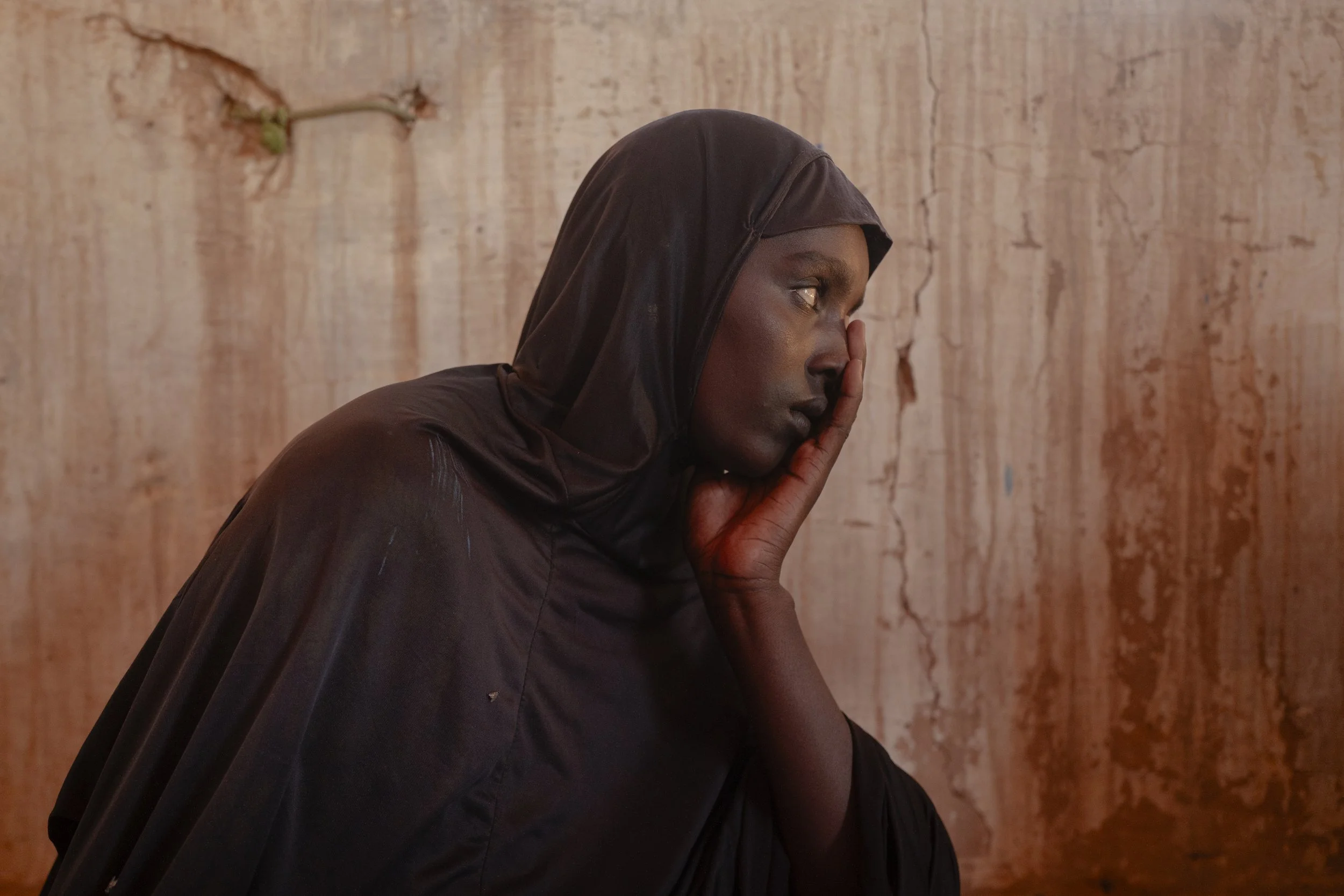
Thousands of Malians are fleeing to Mauritania due to widespread violence and armed attacks, forcing them to abandon their homes and livelihoods. In the host country, refugees face precarious conditions, as camps and local communities are overstretched and humanitarian actors struggle to meet basic needs.
NUTRIAID
NUTRIAID - SENEGAL
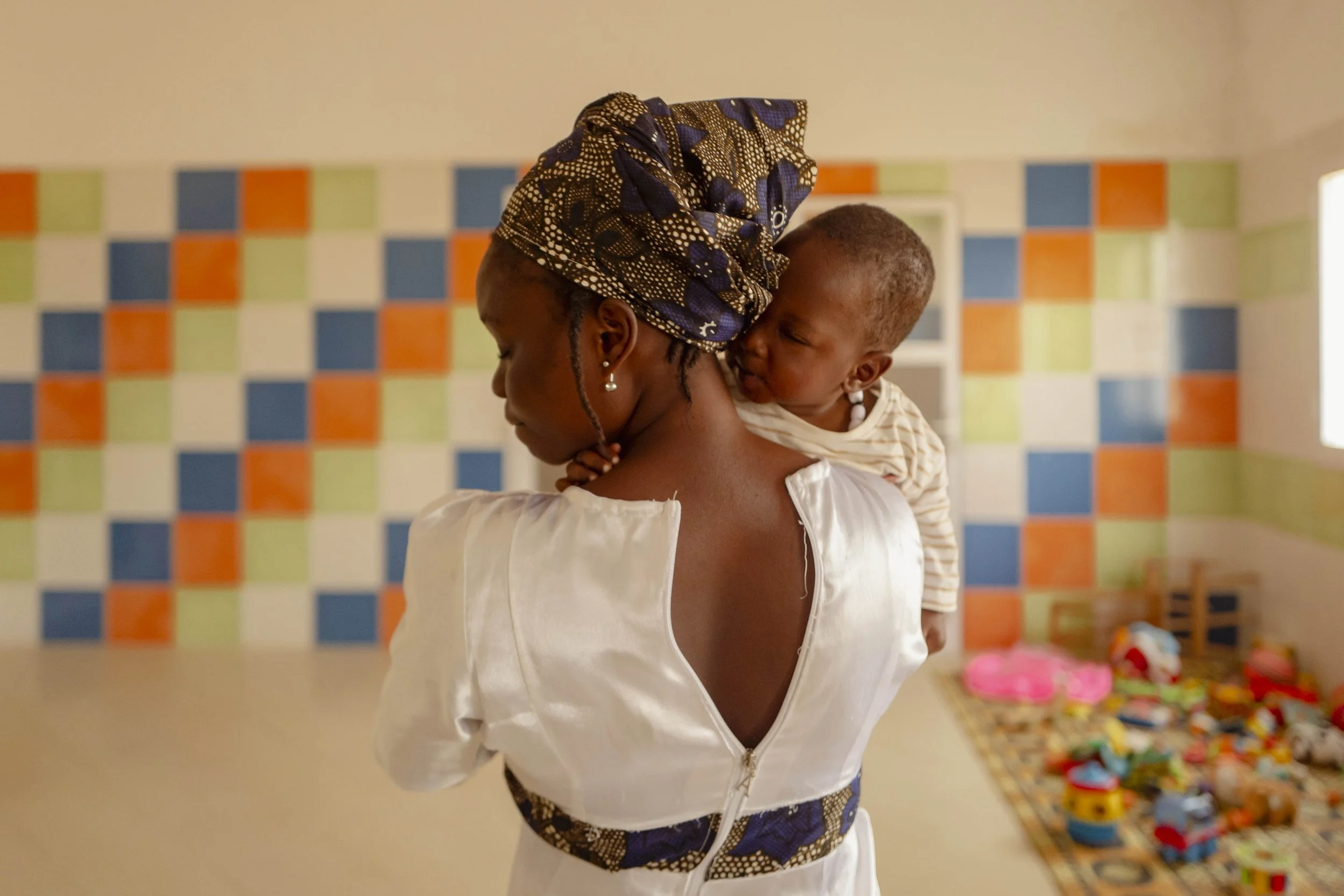
The project strengthens the fight against child malnutrition in Senegal by improving early detection, treatment, and prevention through the training of health workers, community engagement, and the establishment of a dedicated nutrition center. At the same time, it promotes food security through agricultural innovations and agro-meteorological monitoring systems, helping communities to better manage resources and prevent food crises.